

How to Choose the Right Garage Door for Your Home: Best Materials, Styles, and Installation Tips
Choosing the right garage door for your home is an essential aspect of enhancing your property’s curb appeal and functionality. With numerous materials, styles, and installation options available, navigating this decision can be overwhelming. This article will guide you through the critical factors involved in selecting the perfect garage door, addressing aspects such as material properties, aesthetic styles, durability, and cost considerations. Understanding these components will ensure that you invest wisely, balancing practicality with aesthetic appeal for your home’s exterior. We’ll also explore popular garage door materials, how styles impact home value, and the importance of professional installation, specifically by providers like Overhead Door Company of Santa Rosa, Inc. in Sonoma County.
What Are the Best Garage Door Materials for Homes?
Selecting the appropriate material for your garage door is crucial for both functionality and aesthetics. Different materials offer distinct advantages, including durability, maintenance requirements, and insulation properties. Common options include wood, steel, aluminum, and fiberglass, each providing unique benefits that can cater to specific homeowner needs and climatic conditions.
How Do Wood, Steel, Aluminum, and Fiberglass Compare?
Each material presents a set of pros and cons that significantly influence your choice:
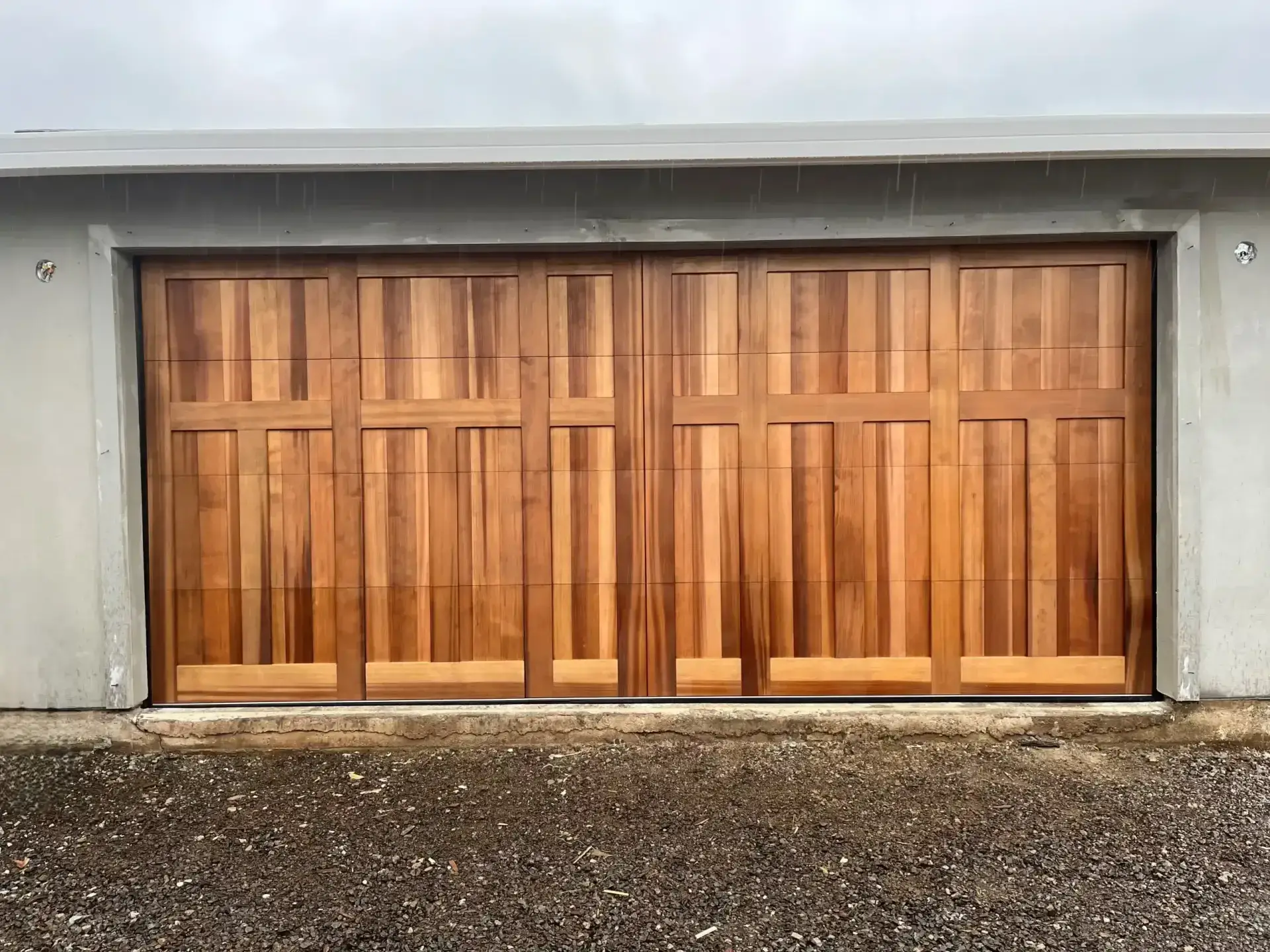
- Wood Garage Doors: These offer excellent aesthetic appeal and can be customized easily. However, they require regular maintenance to prevent warping and damage from moisture.
- Steel Garage Doors: Known for their durability and security, they are resistant to dents and require minimal maintenance. Steel doors can come with insulation, making them suitable for energy efficiency.
- Aluminum Garage Doors: Lightweight and resistant to corrosion, aluminum doors are ideal for coastal areas but may be less durable than steel alternatives.
- Fiberglass Garage Doors: These mimic the look of wood without the maintenance. They offer good insulation but may be prone to cracking in extreme temperatures.
Each garage door type affects energy efficiency, which is crucial for those interested in reducing energy bills and environmental impact.
What Are the Energy Efficiency Benefits of Different Materials?
The energy efficiency of a garage door largely depends on its insulation qualities and material type. Here are some benefits associated with more energy-efficient materials:
- Insulation Values: Garage doors with high insulation values can significantly reduce energy costs, especially in extreme climates.
- Long-term Savings: Investing in energy-efficient materials can result in lower energy bills over the door’s lifespan, making it a cost-effective option.
- Environmental Impacts: Selecting materials that offer sustainable options can lessen your carbon footprint and improve overall home energy use.
Which Garage Door Styles Best Complement Residential Homes?
The style of your garage door is just as important as the material, as it plays a key role in enhancing your home’s architectural aesthetic. Various designs cater to different architectural styles and personal preferences.
What Are Popular Door Designs and Their Visual Impact?
Common garage door styles include traditional raised-panel doors, modern flush designs, and carriage house styles. Each design influences the visual appeal of your home:
- Raised-Panel Doors: These classic doors fit well with contemporary and traditional homes. They provide a clean, structured look while offering some customization options.
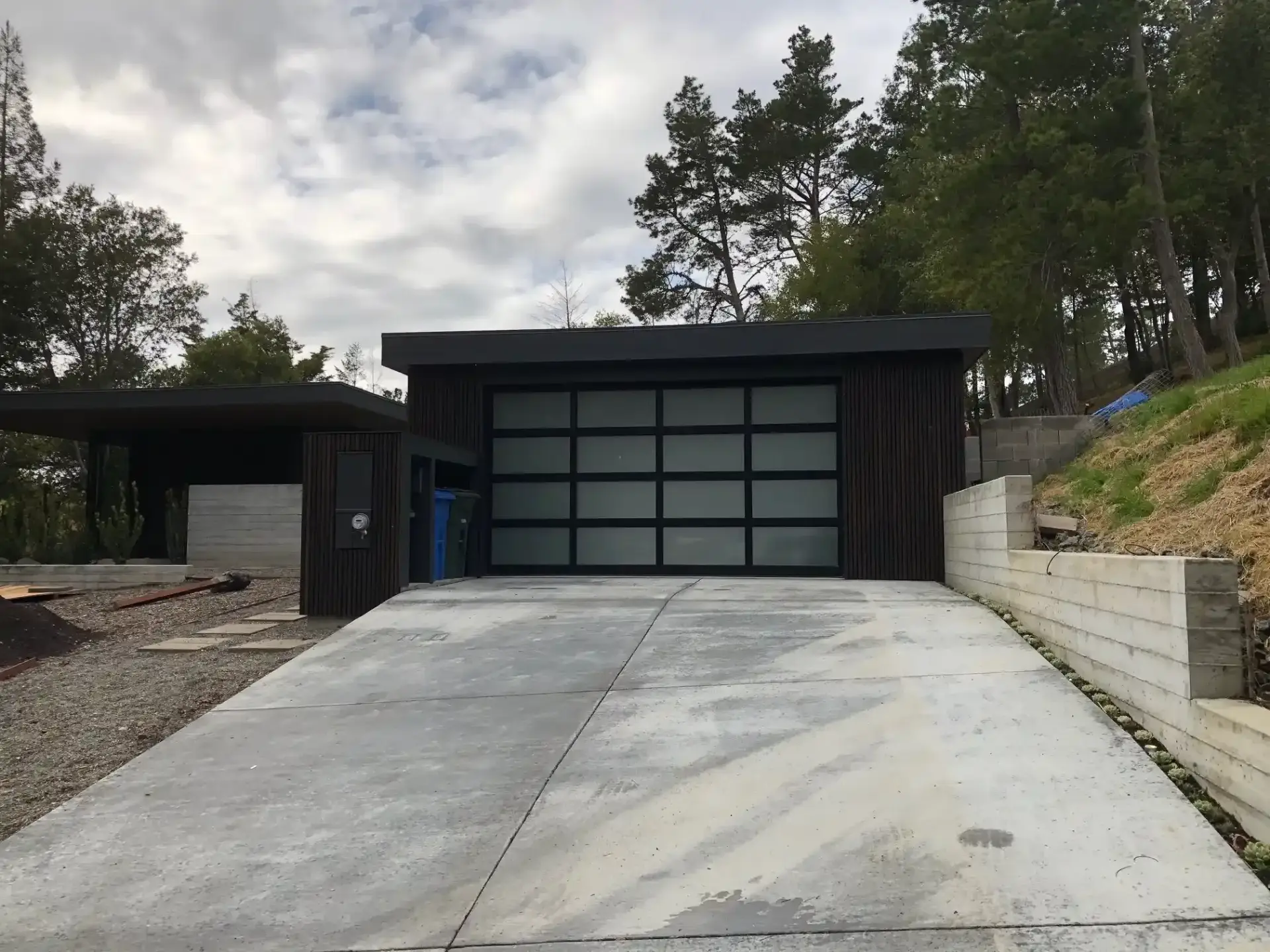
- Flush Doors: Ideal for modern homes, flush designs have a sleek, minimalistic aesthetic that complements clean lines.
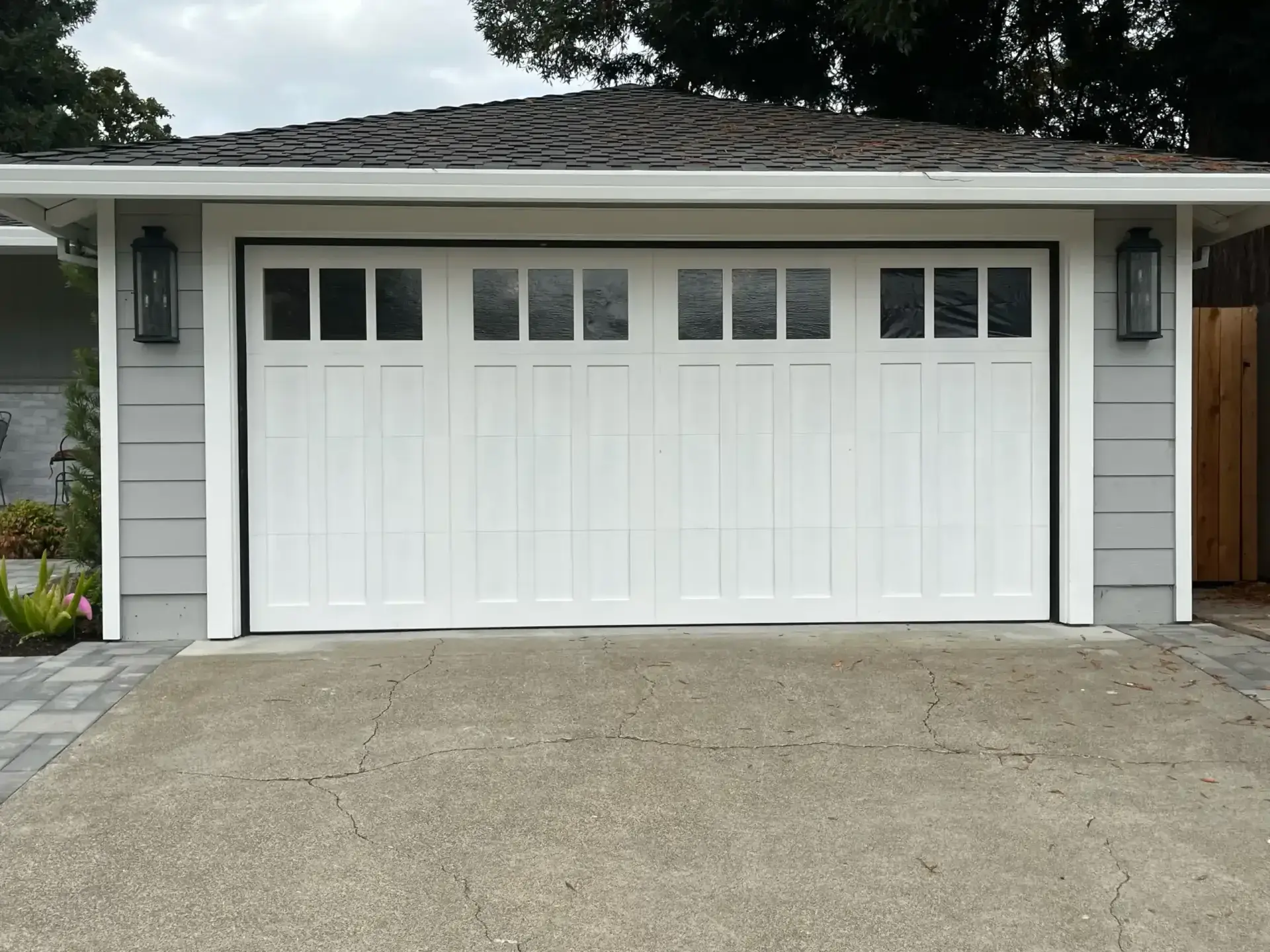
- Carriage House Doors: These add a vintage touch and are popular for traditional and rustic designs, enhancing the charm of a home.
Choosing the right style not only improves curb appeal but can also enhance perceived value.
How Does Style Affect Home Value and Curb Appeal?
The garage door style impacts both aesthetic appeal and market value. Potential homebuyers often assess exterior features like garage doors, influencing their purchasing decisions.
- Market Trends: Certain styles may resonate more with buyers based on local trends, enhancing your home’s appeal.
- Buyer Decisions: A visually appealing garage door can create a favorable impression, potentially resulting in a quicker sale at a higher price.
- Statistical Correlations: Research indicates that homes with attractive garage doors tend to command higher market prices compared to those with outdated options.
How Do Garage Door Durability Factors Influence Your Choice?
Durability is a crucial consideration when selecting a garage door. The right material and design not only extend the lifespan of the door but influence maintenance requirements and security aspects.
What Security Features Should You Consider?
When choosing a garage door, consider the following security features:
- Strong Locking Mechanisms: Ensure the door has secure locks to deter unauthorized entry.
- Impact Resistance: Select materials known for their strength and resistance to break-ins.
- Smart Technology Options: Garage doors equipped with remote access and smart security features can enhance user control and monitoring.
These features contribute to the overall safety of your home, making it imperative to evaluate them when selecting a garage door.
How Does Climate Affect Door Longevity and Maintenance?
Climate plays a significant role in the durability of garage doors. Different materials respond uniquely to weather conditions.
- Effects of Weather: Wood doors may swell or warp in humid climates, while steel doors can rust in coastal environments without proper treatment.
- Maintenance Tips: Regular inspection and maintenance, such as sealing wood doors or applying protective coatings to steel, can prolong the life of your garage door.
- Long-term Outlook: Understanding your local climate and selecting a suitable material can enhance your door’s lifespan and performance.
What Are the Residential Garage Door Installation Costs and Considerations?
Understanding the costs associated with garage door installation can help you budget effectively and make informed decisions. Various factors influence the overall price of installation.
How Is Installation Cost Estimated for Different Door Types?
Installation costs can vary significantly depending on the type of garage door and complexity of the installation. Key factors to consider include:
- Material Type: Higher-end materials like wood commonly incur higher installation costs than basic steel doors.
- Labor and Installation Complexity: Custom installations or incorporating smart technology features can also drive up costs.
- Typical Price Ranges: On average, garage door installations can range from $700 to $2,000, depending largely on the door’s material and design.
For residents in Sonoma County, Overhead Door Company of Santa Rosa, Inc. specializes in residential and commercial garage door installation services, ensuring a seamless experience with expert guidance.
Frequently Asked Questions
1. What maintenance tips can help prolong the lifespan of a garage door?
Regular maintenance is essential for ensuring the longevity of your garage door. Start by inspecting the door’s springs, cables, and rollers for wear or signs of damage. Lubricating moving parts with a silicone-based lubricant can reduce friction and prevent rust. Additionally, clean the door periodically to remove dirt and debris, ensuring proper functionality and aesthetics. Finally, check the alignment and balance of the door; if it’s not operating smoothly, it may need professional adjustment or repair.
2. Are there any energy-efficient options when selecting a garage door?
Yes, selecting an energy-efficient garage door can significantly reduce your home’s energy consumption. Look for doors with high R-values, indicating better insulation properties. Steel doors with foam insulation are excellent energy savers, while fiberglass options also provide good insulation without the same maintenance concerns as wood. Additionally, ensure that the door fits well and has proper weather stripping to minimize drafts, further enhancing its energy efficiency.
3. How do garage door colors affect my home’s curb appeal?
The color of your garage door plays a crucial role in your home’s curb appeal. Lighter colors can make a home appear larger and brighter, while darker shades may give it a bold, modern look. It’s essential to consider your home’s exterior color palette: a harmonious color scheme can tie together your property’s overall aesthetic. Additionally, popular trends have emerged in bold colors, such as dark blue or red, which can add personality and improve overall appeal.
4. What smart technology options should I consider for my garage door?
Smart technology options for garage doors enhance convenience and security. Consider installing a smart garage door opener that enables remote access and control via a smartphone app. Some models offer features like alerts if the door is left open or closed, and compatibility with home automation systems. Additionally, integrating cameras or motion sensors can provide real-time monitoring and alerts, improving overall security while you are away from home.
5. How can a professional do a proper garage door installation?
A professional installation ensures that your garage door operates smoothly and safely. Qualified technicians follow manufacturer guidelines and local building codes, ensuring compliance with safety standards. This process includes accurately measuring and installing the door, adjusting springs for proper balance, and ensuring all safety features are in place. A professional also minimizes the risk of installation errors that could lead to malfunctions or safety hazards in the future.
6. What factors influence the lifespan of a garage door?
Several factors influence the lifespan of a garage door, primarily the material, climate, and maintenance practices. For instance, steel doors generally last longer than wood due to their resistance to pests and weather variabilities. Also, harsh climates can accelerate wear and tear; regular maintenance is key to combatting this. Proper lubrication and timely repairs can significantly extend the operational life of the door, ensuring it remains functional and secure over the years.
7. Are there specific garage door styles for different architectural designs?
Yes, different garage door styles complement various architectural designs. For modern homes, sleek flush doors suit minimalistic aesthetics, while traditional raised-panel doors harmonize well with classic architectures. Carriage house doors are ideal for rustic or farmhouse-style homes, adding vintage charm. It’s essential to select a style that enhances the existing aesthetic of your home, making it cohesive and visually appealing, which can also support property value when selling.
Conclusion
Choosing the right garage door enhances your home’s curb appeal, functionality, and security, while optimizing energy efficiency. By understanding the materials, styles, and installation costs, you can make informed decisions that elevate your property’s value. Don’t hesitate to explore a variety of options and consult professionals for the best results. Start transforming your home today by discovering premium garage door solutions that suit your style.